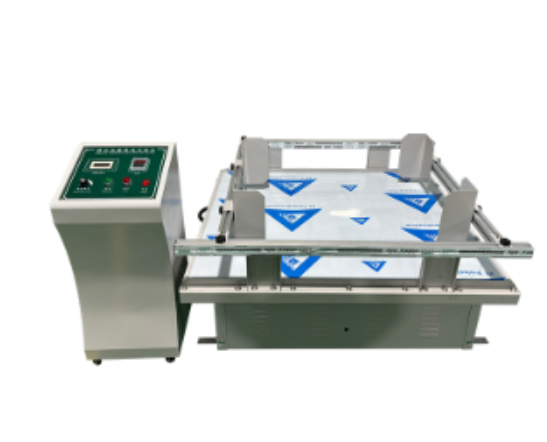
Mask Leakage Tester
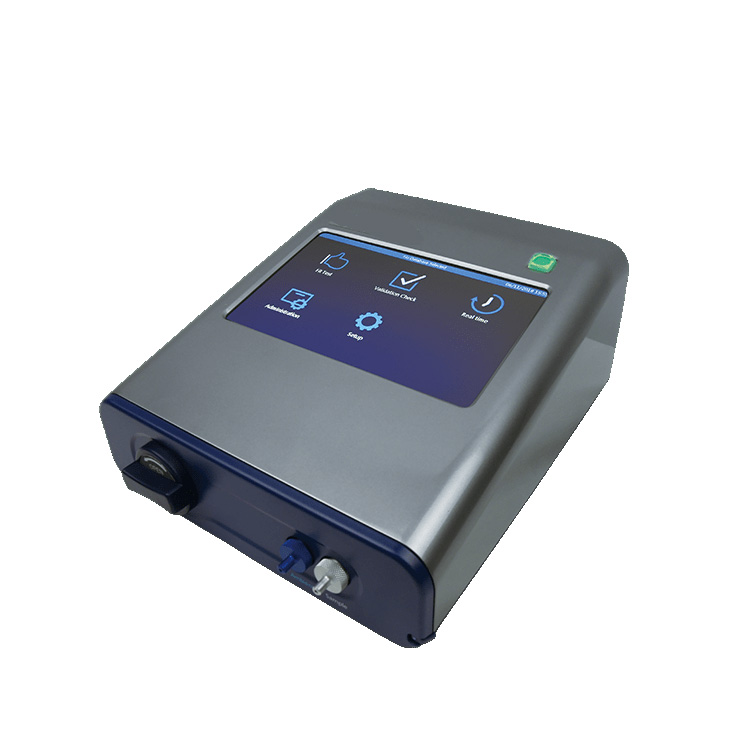


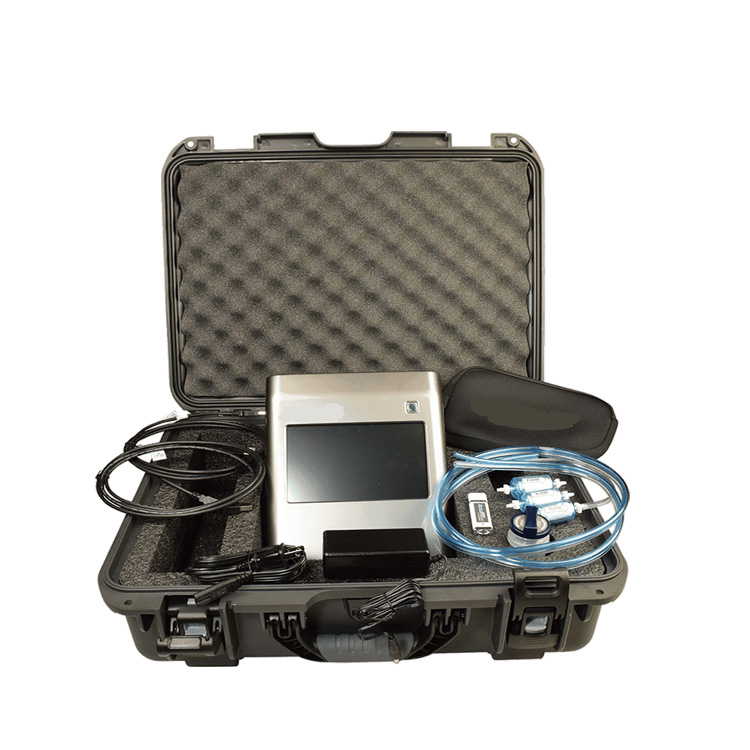
The Mask Integrity Test Accessory (Qinsun) works in tandem with the CBRN Mask Protection Assessment Test System or PortaCount? Respirator Fit Tester to quickly detect leaks in CBRN gas masks and commercial respirators and ensure your personnel are getting maximum protection.
If a leak is detected during the assessment, the integrated aerosol wand and the generator are used to pinpoint invisible leaks for quick evaluation and repair. The operator uses the aerosol wand to direct a stream of concentrated particles at specific locations around the mask until the single-particle counting capability of the PortaCount Respirator Fit Tester detects the suddenly elevated particle concentration and alerts the operator.
Application
Items:
Features
Separate tests for overall mask integrity (Protection Factor), exhalation valve and drink tube
FAQ
(1) What is the purpose of a mask leakage tester?
A mask leakage tester evaluates the overall integrity and sealing performance of respirators and gas masks. It measures whether airborne particles can penetrate through leaks in the mask structure, helping ensure the required protection level for users in hazardous environments.
(2) Which standards are relevant for mask leakage and fit testing?
Leakage and fit performance are commonly evaluated based on OSHA 29 CFR 1910.134 and guidance from NIOSH. Quantitative fit testing using particle counting methods is widely accepted in industrial and CBRN applications.
(3) How does the aerosol-based leak detection method work?
The system uses an aerosol generator to introduce particles and a particle counter (such as PortaCount) to measure concentration differences inside and outside the mask. When leaks are present, particle levels increase inside the mask, allowing detection and calculation of a protection factor.
(4) Why is a headform-based test more reliable than manual inspection?
A full headform test simulates real wearing conditions, including the mask harness and sealing pressure. This approach reduces human variability and provides repeatable, quantitative results compared to visual inspection or simple pressure checks.
(5) What should be considered when selecting a mask leakage tester?
Key factors include compatibility with particle counters, ability to perform multiple tests (overall integrity, exhalation valve, drink tube), detection sensitivity, test efficiency (e.g., ≥12 tests/hour), and ease of operation. Systems with aerosol pinpointing functions improve troubleshooting and maintenance efficiency.
Leave Message Get Price