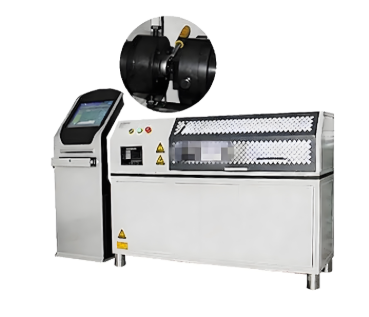
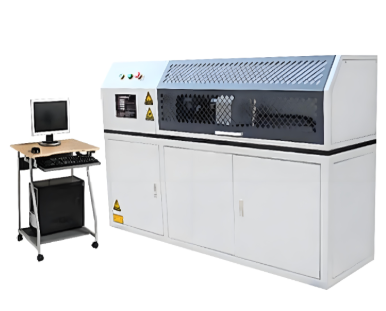
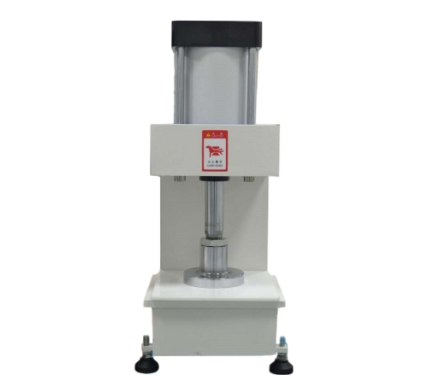
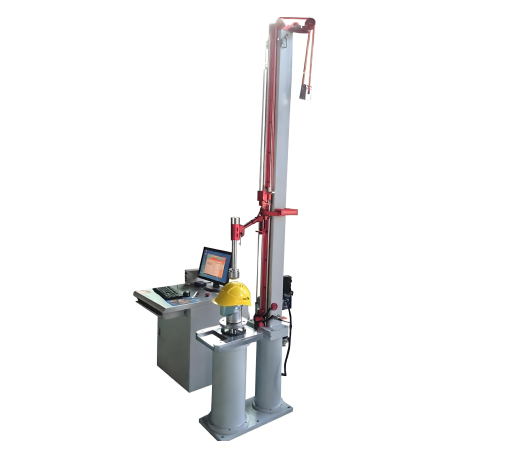
Computer-Controlled Torsion Testing Machine (500 N·m)
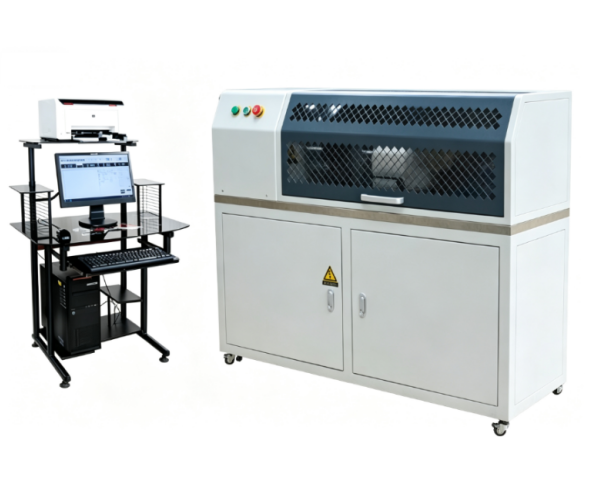


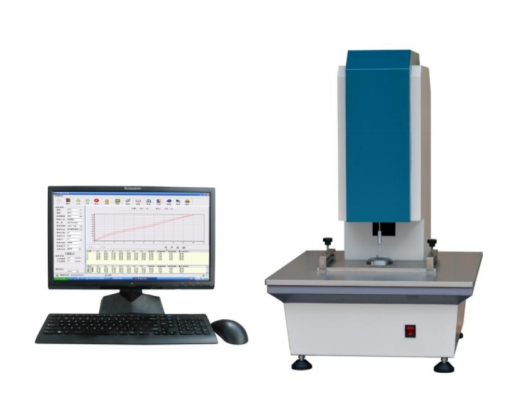
The system operates on a Windows-based Chinese interface, enabling multiple control modes for torque and angle. It uses a graphical window-based interface, allowing configuration of display screens and operation panels, setting of test speed and various control parameters, real-time display of basic test results, and real-time display of various parameter curves during the test process.
Application
This computer-controlled torsion testing machine is mainly used to test the torsional properties of materials and components such as metal bars, drive shafts, bolts, fasteners, springs, rotating shafts, and medical implants. It measures torque, torsion angle, yield torque, and fracture torque, and is used for mechanical property testing and torsional failure verification of components. It is widely used in machinery, hardware, automotive, military, and research laboratories. The system provides multiple test curves, including torque–angle, torque–time, and angle–time. Users can adjust the test program according to actual needs, and operation is convenient. The testing machine is equipped with overload protection. The computer control system enables automated control of the test process, data processing, and export of test reports.
Test Functions
(1) Capable of determining qualified torque values
(2) Capable of constant torque testing
(3) Capable of measuring torsion angle
(4) Capable of testing fracture torque
(5) Capable of curve analysis
(6) Automatic display: during the test, real-time display of torque, peak value, and test status
(7) Automatic correspondence: automatic synchronization of angle and torque during testing
(8) Curve selection: selectable curves including torque–time, angle–time, torque–angle for display and printing
(9) Curve review: curves can be re-analyzed after the test
(10) Automatic operation: test process can be completed automatically after inputting parameters
(11) Automatic calculation: torque, angle, torsional strength, shear modulus, etc. are calculated automatically after testing
(12) Automatic storage: test data and curves are automatically stored in the computer
(13) Easy query: multiple sets of historical test data can be retrieved
(14) Easy operation: Chinese menu-based interface, intuitive and clear
(15) Complete functions: suitable for testing different materials and components
(16) Fracture detection: machine automatically stops after specimen failure
(17) Protection functions: includes overload, overcurrent, and overvoltage protection
(18) Condition storage: test parameters and specimen conditions can be saved as modules for batch testing
(19) Automatic speed change: torsion speed can change automatically according to preset programs
(20) Process automation: testing, measurement, display, and analysis are completed by computer
(21) Batch testing: multiple specimens with the same parameters can be tested sequentially
(22) Test report: reports can be generated, printed, and stored
Technical Specifications
No. | Item | Specification |
1 | Maximum Torque | 500 N·m |
2 | Torque Measurement Range | 2%–100% F.S |
3 | Torque Resolution | 0.01 N·m |
4 | Torque Accuracy | ≤ ±1% |
5 | Torque Repeatability | ≤ 1% |
6 | Torsion Angle Range | 0°–9999° |
7 | Angle Resolution | 0.01° |
8 | Distance Between Chucks | 0–400 mm (adjustable) |
9 | Loading Direction | Clockwise / Counterclockwise |
10 | Torsion Speed Range | 0.1°/min – 720°/min (stepless) |
11 | Speed Accuracy | Within ±1% of set value |
12 | Protection | Overload protection |
13 | Power Supply | 220 V, 50 Hz |
Main Configuration
(1) Horizontal torsion testing machine (main unit) – 1 set
(2) Servo motor – 1 set
(3) Servo drive – 1 set
(4) Reduction system – 1 set
(5) Torque sensor – 1 unit
(6) Torsion data acquisition system – 1 set
(7) English version testing software – 1 set
(8) Torsion meter – 1 set
(9) Standard three-jaw chuck fixture – 1 set (excluding special tooling)
(10) Branded computer – 1 set
(11) Accessories toolkit – 1 set
(12) Documents: user manual, certificate, packing list – 1 set each
FAQ
1. How do I choose the appropriate torque range for my application?
The maximum torque should be selected based on the expected failure torque of the specimen. It is recommended that the working range falls within 20%–80% of full scale to ensure measurement accuracy and sensor longevity.
2. What factors affect the accuracy of torsion test results?
Key factors include specimen alignment, clamping stability, sensor calibration, and test speed. Improper installation or excessive vibration may introduce measurement errors, so correct fixture selection and calibration are essential.
3. Can the machine handle both brittle and ductile materials?
Yes. The system supports different test modes and speed settings, allowing it to evaluate both brittle fracture behavior and plastic deformation in ductile materials.
4. How is torsional strength calculated during the test?
Torsional strength is calculated automatically by the software using the measured torque and specimen geometry. Users only need to input relevant dimensions before testing.
5. Is it possible to customize test procedures for different standards?
Yes. The software allows users to define test parameters such as loading speed, control mode, and stop conditions, making it adaptable to various industry or internal testing standards.
6. What happens if the specimen breaks during testing?
The system detects a sudden drop in torque and automatically stops the test to protect the equipment and ensure data integrity.
7. How are historical test results managed?
All test data and curves are stored in the database and can be searched, reviewed, and re-analyzed at any time. Reports can also be exported for documentation or comparison.
8. Does the machine require regular calibration?
Yes. Periodic calibration of the torque sensor and verification of angle measurement are recommended to maintain long-term accuracy and compliance with testing requirements.
9. What types of fixtures are available for different specimens?
Standard three-jaw chucks are included, but special fixtures can be customized for non-standard shapes such as thin wires, medical implants, or irregular components.
10. How does the system ensure safe operation during high-load testing?
The equipment is equipped with overload protection and monitoring functions. It automatically stops under abnormal conditions such as excessive torque, ensuring operator and equipment safety.
Leave Message Get Price