Solar Simulator
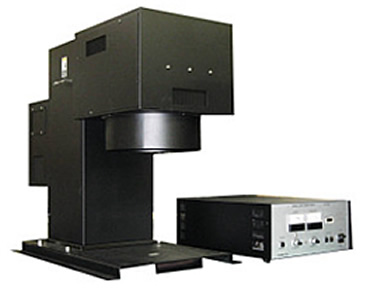


The AAA Class Solar Simulator is a high-precision solar simulation system designed to reproduce sunlight conditions for solar cell, photovoltaic (PV) module, material, and optoelectronic product testing. By using high-brightness light sources, optical filters, and intelligent control systems, the simulator accurately replicates solar irradiation characteristics, enabling reliable evaluation of photovoltaic performance, UV aging resistance, and material durability.
Designed for laboratory research, quality inspection, and product development, the Solar Simulator provides controlled illumination environments that help shorten outdoor exposure testing periods, improve testing efficiency, and reduce development costs.
Application
The Solar Simulator is widely used in photovoltaic, aerospace, materials science, and optoelectronics industries, including:
(1) Photovoltaic Module Testing
Solar cell electrical performance evaluation
PV module efficiency and reliability testing
Solar material research and development
Photovoltaic component qualification testing
(2) UV Aging and Durability Testing
Aerospace module UV aging evaluation
Simulation of long-term sunlight exposure effects
Testing of UV degradation resistance for coatings, polymers, and electronic materials
Accelerated weathering evaluation of outdoor products
(3) Material Science Research
Optical material stability analysis
Aging resistance evaluation of plastics and coatings
Light-induced degradation studies
Solar radiation response testing
(4) Optoelectronic Product Development
Sensor performance verification
Optical component testing
Light-sensitive device evaluation
Standards
The Solar Simulator complies with relevant international testing standards:
(1) IEC 61215 – Terrestrial Photovoltaic (PV) Modules – Design Qualification and Type Approval
(2) IEC 61646 – Thin-Film Terrestrial Photovoltaic (PV) Modules – Design Qualification and Type Approval
(3) ISO 9060 – Solar Energy – Classification of Pyranometers
(4) UL 1703 – Standard for Flat-Plate Photovoltaic Modules and Panels
(5) CE Certification – Conformité Européenne
Parameters
| Item | Specification |
|---|---|
| Irradiation Area | 180 mm × 180 mm |
| Equipment Dimensions | Approx. 0.53 × 0.72 × 1.48 m (D × W × H) |
| Light Source | Customized according to project requirements |
| Number of Light Sources | 1 set |
| Light Source Lifetime | Approx. 3000 hours |
| Single Lamp Power | Approx. 2 kW |
| Wavelength Range | 280 nm – 400 nm |
| Irradiance | Approx. 500 W/m² (280–400 nm), adjustable |
| Irradiance Uniformity | ≤8% |
| Illumination Method | Top illumination |
| Voltage Supply | 380 V, 50 Hz |
| Power Consumption | 2 kW |
| Equipment Weight | Approx. 65 kg |
Features
(1) High-precision solar simulation system for photovoltaic and material testing applications
(2) Simulates UV radiation conditions to accelerate long-term outdoor aging evaluation
(3) High-quality insulated light chamber provides UV shielding, sealing, and thermal insulation
(4) Bottom-up structural design separates the light source system and sample testing area
(5) Efficient forced-air cooling system improves lamp stability and equipment service life
(6) Optional UVA and UVB fiber-optic sensors enable real-time irradiance monitoring
(7) Industrial HMI and PLC control system available for automatic control of irradiance, temperature, exposure time, and test dose
(8) Adjustable irradiation intensity supports different testing requirements
(9) Compact structure suitable for laboratory installation and operation
FAQ
(1) What is the main purpose of the Solar Simulator?
The Solar Simulator is designed to reproduce controlled solar radiation conditions for testing photovoltaic products, materials, and optoelectronic components. It allows researchers and manufacturers to evaluate performance changes caused by sunlight exposure without relying on long-term outdoor testing, improving development efficiency and product reliability.
(2) What products can be tested with this solar simulator?
This equipment is suitable for solar cells, PV modules, aerospace components, coatings, polymers, optical materials, and other products requiring solar radiation or UV aging evaluation. It is commonly used in photovoltaic laboratories, material research centers, and product reliability testing facilities.
(3) How does the Solar Simulator perform UV aging testing?
The system accelerates sunlight exposure effects by generating controlled UV irradiation within a laboratory environment. Users can adjust irradiation intensity and exposure duration to reproduce long-term outdoor UV degradation effects in a shorter testing period, helping evaluate material weather resistance.
(4) How should users select the suitable Solar Simulator configuration?
The selection depends on the testing purpose, wavelength requirements, sample size, and automation requirements. For photovoltaic performance testing, users should focus on spectral matching and irradiance stability. For UV aging tests, wavelength range, irradiation intensity, temperature monitoring, and exposure control are more important. Customized configurations can be provided according to specific testing standards and applications.
(5) Can the system be customized for automatic testing?
Yes. The Solar Simulator can be equipped with an industrial touchscreen, PLC control system, irradiance monitoring sensors, and temperature control functions. These options enable automatic adjustment of irradiation intensity, exposure dose, testing duration, and real-time data monitoring. For customized solutions and technical consultation, please contact our engineering team.
Leave Message Get Price