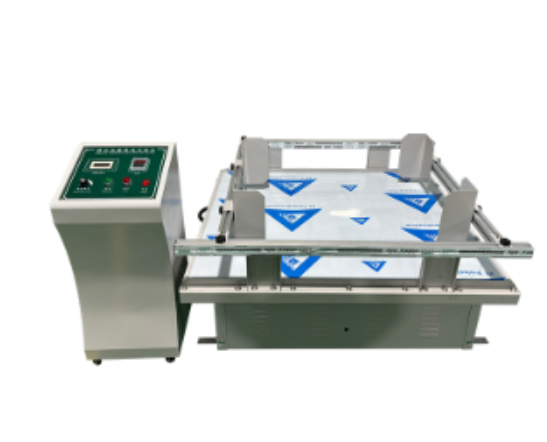
Catheter Hydraulic Leakage Tester
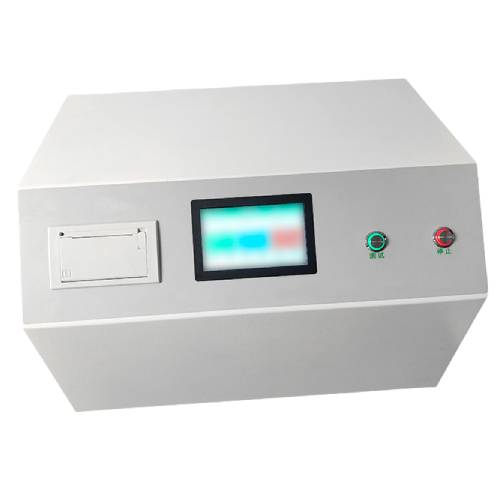


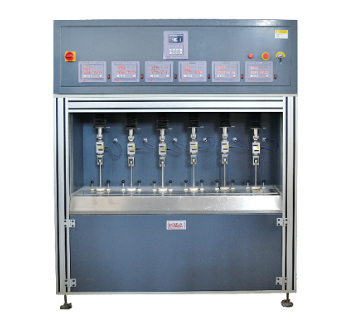
The Catheter Hydraulic Leakage Tester is a testing instrument specifically developed and manufactured for leak detection and quality assessment of various products such as plastic composite bags, hoses, packaging bags, boxes, and pipelines. It utilizes the most advanced dual testing principles of positive and negative pressure methods, collecting data in real-time through high-precision pressure sensors, thereby effectively ensuring the accuracy and reliability of the test results. In addition, the instrument offers multiple independent test modes for users to choose from, meeting diverse testing needs.
Applications
The catheter hydrostatic pressure resistance and leakage tester is a device specifically designed to evaluate the sealing performance of catheters in a hydraulic environment. Its main uses include: Ensuring Catheter Safety: Through testing, it ensures that catheters have good sealing performance under various usage conditions, preventing liquid leakage and thus safeguarding the safety of patients. Improving Product Quality: It provides data support for medical device manufacturers, helping them to improve the design and manufacturing processes of catheters, and enhancing the quality and reliability of products. Promoting Technological Advancement: The application of the tester promotes technological progress and development in the medical field, and provides a powerful testing tool for the research and development of new - type catheters.
Standards
GB/T 15812.1: Disposable sterile catheters - Part 1: General requirements
Technical Parameters
| Parameter | Specification |
|---|---|
| Test Flow | Usually 30L/min, with an error ≤ ±5%; ensures stable and accurate flow during testing |
| Pressure Range | Generally 0 - 500KPa, with a resolution of 0.01KPa and an error ≤ ±1%; covers the pressure range most catheters withstand in actual use (ensures test comprehensiveness) |
| Measurement System Holding Time | Usually 1 minute (configurable); maintains a stable measurement environment during testing (improves test accuracy) |
| Test Duration | Generally 1 second - 99.9 minutes, with an error ≤ ±1 second; allows flexible setting of test time according to actual needs (ensures test adequacy and effectiveness) |
| Applicable Catheter Types | Applicable to various medical device products: infusion sets, blood transfusion sets, infusion needles, filters, pipelines, catheters, quick-connect fittings, etc. (meets testing needs of different products) |
Accessoriess
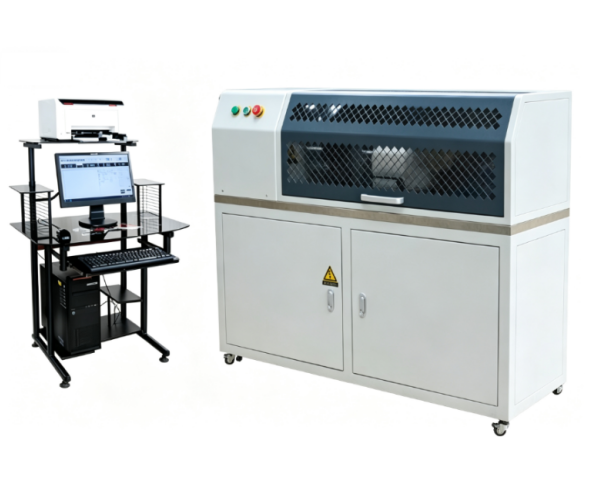
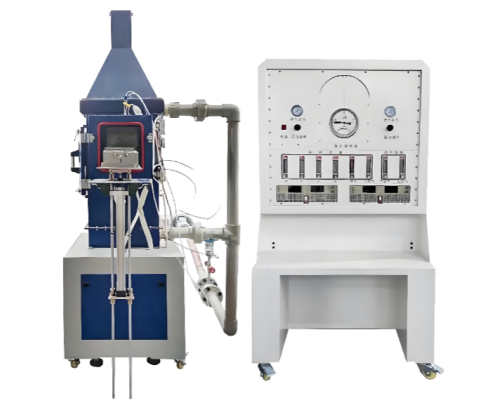
Main unit, hydraulic tank, miniature printer
Features
1. Large-Sized LCD Touchscreen Display: The instrument is equipped with a large-sized LCD touchscreen display, allowing users to intuitively and conveniently view real-time displays of test curves. In addition, the display screen features multiple shortcut buttons for easy test operation.
2. Dual Positive and Negative Pressure Testing Modes: The instrument utilizes both positive and negative pressure testing modes, comprehensively covering various types of leakage problems. The positive pressure method detects leaks or ruptures by filling the sample with a certain pressure of gas; the negative pressure method detects leaks by vacuuming the sample or sealed container.
3. High-Precision Pressure Sensor: The instrument uses a high-precision pressure sensor, capable of accurately capturing subtle changes in the sample under different pressure conditions, thus ensuring the accuracy and reliability of test results.
4. Diverse Testing Modes: In addition to the two basic testing modes mentioned above, the instrument also provides several independent testing modes, such as burst strength testing, gross leak testing, bottle cap seal testing, etc., to meet the testing needs of users in different scenarios.
5. Intelligent Operation: The instrument adopts an intelligent operation method; users can complete the testing process by simply pressing the corresponding buttons. The instrument also features various intelligent operation modes such as automatic pressure maintenance, automatic bursting, and rapid leak detection, which users can freely select according to their actual needs.
6. Automatic Test Report Printing: To facilitate users in recording and analyzing test results, the instrument has a built-in miniature printer that can automatically print detailed test reports.
7. Automatic Vacuum Maintenance and Back-Flushing Discharge Function: The instrument features automatic vacuum maintenance and automatic back-flushing discharge after testing, making the entire testing process more automated and efficient.
8. Automatic Constant Pressure Gas Supply Function: The instrument has an automatic constant pressure gas supply function, ensuring fully automatic testing under set vacuum conditions, further improving testing efficiency and accuracy.
9. GMP Permission Management Function: The instrument complies with relevant GMP (Good Manufacturing Practice) regulations and has strict permission management functions, ensuring the security and confidentiality of test data.
Test Procedures
1. Pre-test preparation
Check the equipment power supply and hydraulic system sealing, and prepare the test tubing and adapter fittings;
2. Sample installation
Connect the tubing to the equipment's hydraulic circuit using a special connector, ensuring a sealed connection;
3. Parameter setting
Select the corresponding standard (e.g., GB/T 15812.1) via the touchscreen, and set parameters such as test flow rate, pressure range, and pressure holding time;
4. Start testing
The equipment automatically fills with fluid and pressurizes, maintaining the set parameters and monitoring for leaks;
5. Process monitoring
Observe pressure changes to confirm whether there are any leakage abnormalities;
6. Completion
After the equipment depressurizes, remove the tubing, record the results, and clean the pipeline.
FAQ
1. What is the main purpose of the Catheter Hydraulic Leakage Tester?
The Catheter Hydraulic Leakage Tester is specifically designed to evaluate the sealing performance and leakage resistance of medical catheters under hydraulic conditions. By detecting leaks in infusion sets, blood transfusion sets, pipelines, and other catheter-related products, the tester ensures patient safety by preventing fluid leakage. Additionally, it provides manufacturers with reliable data to improve catheter design, production quality, and overall reliability, supporting research and development of new catheter technologies.
2. How does the Catheter Hydraulic Leakage Tester perform leak detection?
The tester employs dual testing principles: positive and negative pressure methods. The positive pressure method detects leaks by filling the catheter or sample with a set gas pressure and monitoring for ruptures or leakage. The negative pressure method creates a vacuum within the catheter or sealed container to detect leaks. High-precision pressure sensors continuously monitor subtle changes in pressure, ensuring accurate, real-time data collection and reliable test results.
3. What features ensure the accuracy and reliability of the test results?
The instrument uses high-precision pressure sensors and an automatic constant pressure gas supply system to maintain stable testing conditions. It offers automatic vacuum maintenance, back-flushing discharge, and intelligent operation modes such as automatic bursting and rapid leak detection. These features, combined with real-time data display on a large LCD touchscreen and automatic test report printing, ensure highly accurate, reproducible, and traceable results for all catheter types under various testing scenarios.
4. What types of catheters can be tested with this device?
The Catheter Hydraulic Leakage Tester is compatible with a wide range of medical device products, including infusion sets, blood transfusion sets, infusion needles, filters, pipelines, catheters, and quick-connect fittings. Its versatile hydraulic system, dual pressure modes, and adjustable pressure and flow settings allow testing of both standard and specialized catheter products, meeting the diverse needs of manufacturers, laboratories, and medical research institutions.
5. How is a typical test procedure conducted?
Before testing, the equipment power supply and hydraulic system are checked, and test tubing and adapters are prepared. The catheter is installed using a sealed connection. Test parameters, including flow rate, pressure range, and holding time, are set via the touchscreen. The equipment automatically fills with fluid, pressurizes to the set conditions, and monitors for leaks. After completion, the system depressurizes, the catheter is removed, results are recorded, and the equipment is cleaned for the next test. This ensures an accurate and controlled testing process.
Leave Message Get Price