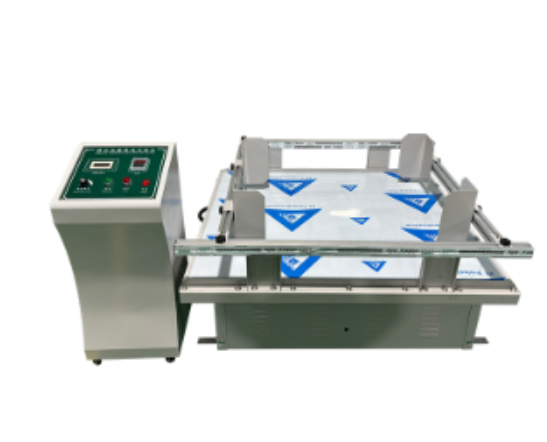
Catheter Residual Vacuum Tester
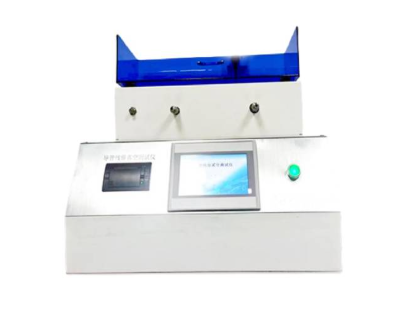


The Catheter Residual Vacuum Tester is a professional device used to detect the residual vacuum in respiratory suction catheters, aiming to ensure the safety of the catheters during clinical use and prevent patient injury caused by residual vacuum.
Applications
The catheter residual vacuum tester is mainly used to determine the physical properties of residual vacuum and leakage in suction catheters for the respiratory tract and other similar medical devices. It is one of the important means to evaluate the performance of medical devices such as suction catheters for the respiratory tract, ensuring the safety and effectiveness of these devices during use. By testing the residual vacuum of catheters, the effectiveness of the vacuum control device at the machine end in releasing vacuum can be verified, thus ensuring that respiratory catheters can meet specific performance requirements during use. In addition, this tester can also be used for detecting vacuum leakage in catheter systems of medical devices such as hemodialysis machines, intravenous infusion devices, and ventilators, to promptly identify and resolve leakage issues and avoid medical accidents caused by leakage.
Standards
YY/T 0339 - 2019: Suction Catheters for the Respiratory Tract
Features
1. High-precision measurement: It can quickly and accurately detect the location and size of leaks in the pipeline system, enabling precise measurement of minute pressure changes and flow differences.
2. Safe and reliable: It prevents safety accidents and quality problems caused by leaks, ensuring the safety and stability of the production process.
3. Easy to operate: The operation interface is simple and clear, allowing users to complete the testing process by following the prompts. Some testers also feature user-level access control and a comprehensive password protection scheme to ensure data integrity, standardization, and traceability.
4. Multifunctional: Some advanced testers offer features such as real-time data display, data recording and analysis, test report generation, and multiple testing modes, meeting the needs of different users.
Technical Parameters
| Parameter | Specification |
|---|---|
| Measurement Range (Flowmeter) | Usually can measure 30L/min or more |
| Accuracy (Flowmeter) | ±5% or higher |
| Airflow Resistance at a Specific Flow Rate (e.g., 30L/min) | Should be less than 0.1kPa |
Accessoriess
Main unit
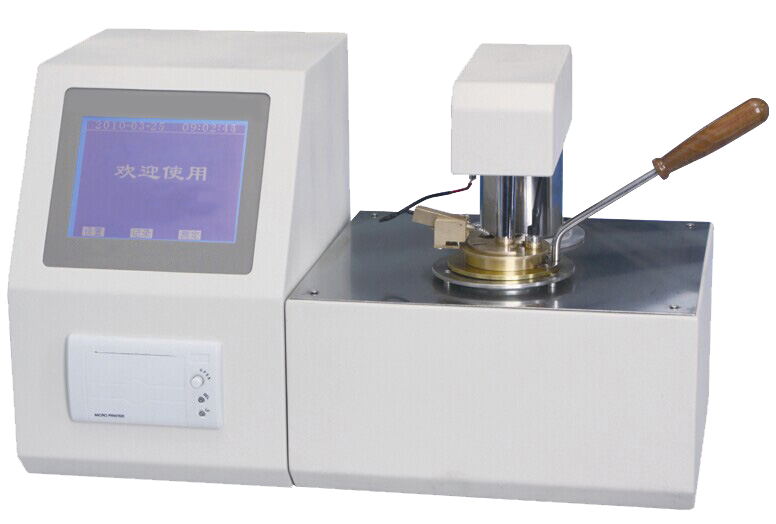
Miniature printer
Touchscreen LCD display
Vacuum pump
FAQ
1. What is the main purpose of the Catheter Residual Vacuum Tester?
The Catheter Residual Vacuum Tester is designed to detect residual vacuum in respiratory suction catheters. By measuring the remaining vacuum, it ensures that catheters release pressure safely, preventing potential patient injury caused by residual vacuum. This testing is crucial for verifying the effectiveness of vacuum control devices at the machine end and ensuring that respiratory catheters meet required performance standards during clinical use. It also helps medical staff identify unsafe conditions before patient application.
2. Which types of catheters can be tested with this equipment?
This tester is primarily used for respiratory suction catheters. In addition, it can be applied to catheter systems in medical devices such as hemodialysis machines, intravenous infusion devices, and ventilators. The device evaluates the residual vacuum and detects potential leakage in these systems, allowing operators to identify and correct problems promptly. This ensures the safety and effectiveness of medical devices that rely on vacuum-based catheter operation.
3. How accurate is the Catheter Residual Vacuum Tester?
The device is equipped with a high-precision flowmeter capable of measuring flow rates of 30 L/min or higher, with an accuracy of ±5% or better. The airflow resistance at a specified flow rate (e.g., 30 L/min) is less than 0.1 kPa. This high precision allows for accurate detection of minute pressure differences and residual vacuum levels, ensuring reliable test results. Accurate measurements help prevent patient risk and ensure that medical catheters comply with relevant standards such as YY/T 0339-2019.
4. How is the residual vacuum test performed?
For open-system catheters, the vacuum control device is opened to the release position, and the vacuum pump is turned on while adjusting the flow rate to the specified value (e.g., 30 L/min). For closed-system catheters, the pressure gauge is temporarily removed, the vacuum pump and control device are activated, the flow rate is set, and then the vacuum device is closed and the gauge reattached. The residual vacuum value is then read and recorded, usually in kPa. Respiratory suction catheters should not exceed the specified residual vacuum (e.g., 0.33 kPa or 3.4 cmH₂O).
5. What safety and operational features does the tester provide?
The tester is designed with high-precision measurement capabilities, easy-to-operate interface, and multifunctional features such as real-time data display, data recording, and report generation. Some models include user-level access control and password protection to ensure data integrity, standardization, and traceability. These features help prevent operational errors, ensure reliable test results, and maintain safety throughout the testing process, reducing risks associated with residual vacuum in medical catheters.
Leave Message Get Price