Universal Abrasion Resistance Tester G282
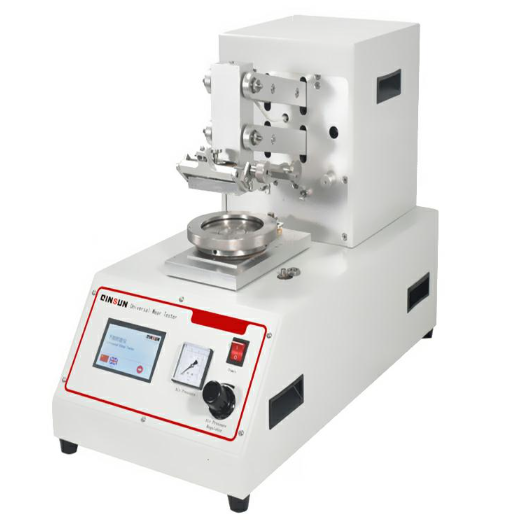


The instrument can be used to flat grinding, mill grinding, edge grinding, folding grinding and anti-frost, edge-close and fleece and other wear-resistant test, can be used for woven fabrics, knitted fabrics, coated fabrics, fleece fabrics, socks, knitted fabrics, knitted fabrics, felt, nonwoven, deep fabric, yarn, cord plastic film, rubber, leather, paper, and many other materials. The test sample may be dry or immersed in water, oil, or other liquids.
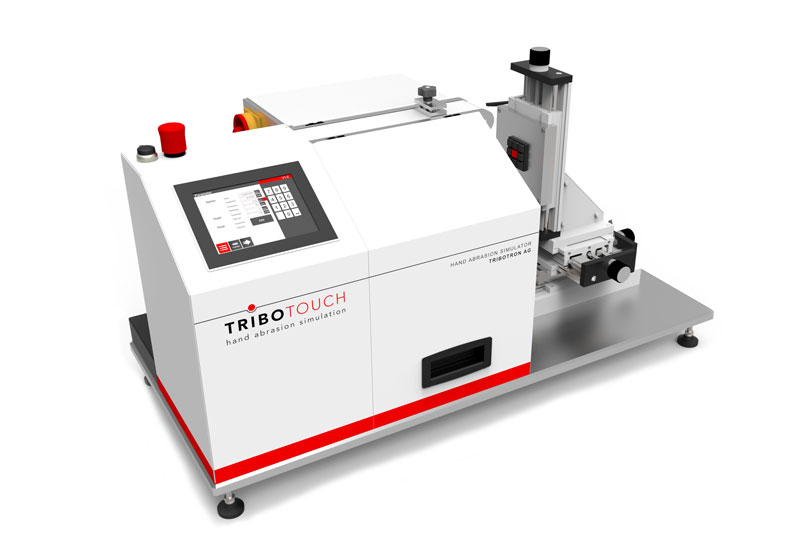
The instrument is mainly composed of control system and friction system. The sample is installed on the clamp and is tightened. The upper fixture with the sandpaper is going down, adjust the position of the weight so that the sandpaper in contact with sample surface, through the control system set the number of friction times of the sample, and start the instrument. The lower fixture base does front-to-back motion, so that the sample and sandpaper being rubbed against each other. When the number of times the movements reach the set value, the instrument stops and remove the sample to observe the degree of wear.
Suitable for testing all kinds of fabrics, including wear performance and wear resistance of clothing, shoes and industrial textiles.
Applications
The G282 Universal Abrasion Tester performs flat abrasion, curved abrasion, edge abrasion, folded edge abrasion, and resistance to frosting, pilling, and nap formation tests. Test specimens may be dry or immersed in water, oil, or other liquids. Suitable for woven fabrics, knitted fabrics, coated fabrics, pile fabrics, socks, felt, nonwovens, deep-pile fabrics, yarns, cords, plastic films, rubber, leather, paper, and various other materials. It is suitable for performance verification in new product development, quality control in production departments, third-party testing institutions, product performance verification laboratories, and quality and technical supervision departments for determining material properties.
Standards
ASTM D3885: Standard Test Method for Abrasion Resistance of Textiles - Curved-Surface Method (Bending and Abrasion Method)
ASTM D3886: Standard Test Method for Abrasion Resistance of Textiles - Pneumatic Diaphragm Method (Pneumatic Diaphragm Apparatus)
ASTM D3514: Test Method for Pilling Resistance and Other Surface Changes of Textiles (Elastic Pad Method)
AATCC 119 :Color Change Due to Flat Abrasion (Sanding): Wire Mesh Method - Textile Resistance to Flat Abrasion Colorfastness (Frosting Effect)
AATCC 120 :Color Change Due to Flat Abrasion (Sanding): Emery Cloth Method
FTMS 191 Method 5300 :Test Method for General Abrasion Resistance of Textiles
FTMS 191 Method 5302 :Test Method for General Abrasion Resistance of Textiles
Features
1. Fully automatic testing mode with automatic counting, automatic shutdown upon completion, and audible alert. Clamp-style specimen fixation enables rapid sample replacement to enhance testing efficiency.
2. Compact structural design facilitates mobility and adaptability, meeting diverse practical application requirements.
3. Accurately delivers material abrasion performance test results, supporting flat abrasion, curved abrasion, edge abrasion, folded edge abrasion, frosting, edge sealing, and napping resistance tests.
Parameters
| Parameter | Specification |
|---|---|
| Test Mode | Automatic (ensures accurate, repeatable results; no operator evaluation required) |
| Gripping Device | Advanced design, maintains constant sample tension |
| Test Heads | Flat-grinding (inflatable membrane wear test method) + mill-grinding (includes required weight and initial abrasive) |
| Built-in Features | Timer and mechanical cycle counter |
| Table Configuration | Reciprocating table, with flat-grinding / mill-grinding test head mounted on top |
| Clamping Ring Inner Diameter | 94 mm |
| Lock Ring Height | ≤ 9.5 mm |
| Speed | 120 ± 15/min |
| Moving Stroke | 25 mm |
| Air Pressure | 62 kPa (9 psi) |
| Dimensions (L × W × H) | 330 × 500 × 460 mm |
| Weight | 33 kg (72 lb) |
| Power Supply | 120/230 V, 50/60 Hz, 2A / 1A |
Accessoriess
Standard Configuration
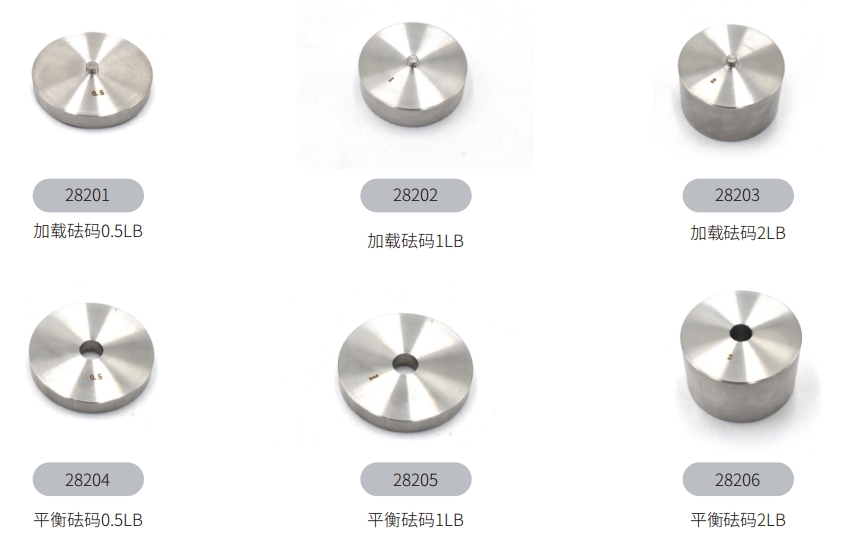
Optional accessories
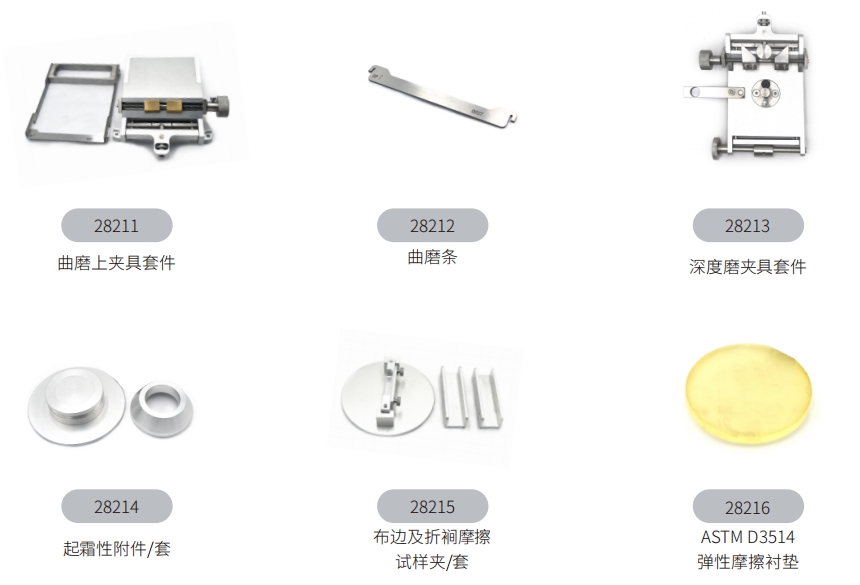
Test Procedures
1. First, prepare the accessories and test samples.
2. Using the sample wrench, disassemble the fixture. Place the drum membrane and sample into the fixture, tighten, and secure the fixture.
3. Secure the abrasive to the upper fixture and attach the weights.
4. Turn on the instrument, enter the operation interface, set the number of cycles, and adjust the air pressure value.
5. As air pressure increases, the sample expands to a certain height. Lower the upper fixture to bring the abrasive into contact with the test specimen.
6. Press the start button to initiate continuous friction between the abrasive and the test specimen.
7. When the sample wears through, the test automatically stops. Turn off the instrument to end the test.
8. Remove the test specimen for analysis and comparison to evaluate the material's surface wear resistance.
FAQ
1.How do you test for abrasion resistance?
To test for abrasion resistance, the glove material is mounted and abraded by a spinning abrasive wheel until a hole in the sample material is present. The greater the number of cycles it takes to break down the sample material, the higher the abrasion resistance rating.
2. What is the working principle?
The sample is fixed under a specific tension while an abrasive medium (like sandpaper) is pressed against it with a controlled weight. The machine moves the sample back and forth, creating friction until a set number of cycles is reached or the material wears through.
3.Which two tests can be done to measure fabric abrasion resistance?
There are two standard tests for woven upholstery abrasion resistance, also known as the rub rate: Martindale and Wyzenbeek. Both involve testing equipment which simulate the natural wear of a seat cover, culminating in a number of 'rubs. ' The higher the number, the more resistant the material is to abrasion.
4.How do you test for abrasion on concrete surfaces?
Known as the BCA abrasion test machine, the floor surface is assessed by measuring the depth of wear created by three hardened wheels rotating over a circular (template marked) area for a standard number of revolutions (2850 + / – 10).
5.What is the unhealthiest fabric to wear?
The unhealthiest fabrics to wear are generally synthetics like polyester, nylon, acrylic, and spandex, along with treated materials (wrinkle-free, waterproof), due to their petrochemical origins, lack of breathability, chemical treatments (like PFCs, formaldehyde, carcinogens), and potential to trap sweat, causing irritation, rashes, or absorbing harmful chemicals through the skin. Semi-synthetics like conventional rayon and even non-organic bamboo also pose concerns due to their harsh processing chemicals.
Leave Message Get Price