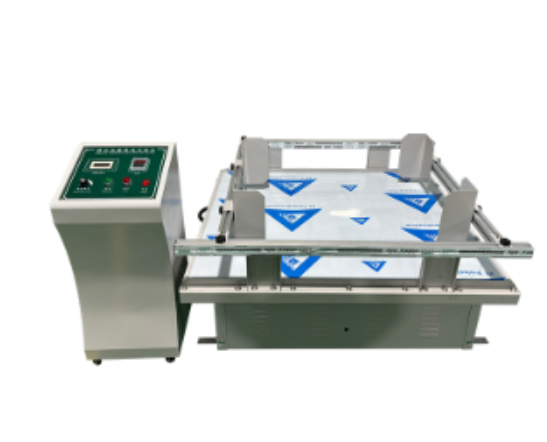
Laboratory Car Wash Simulator
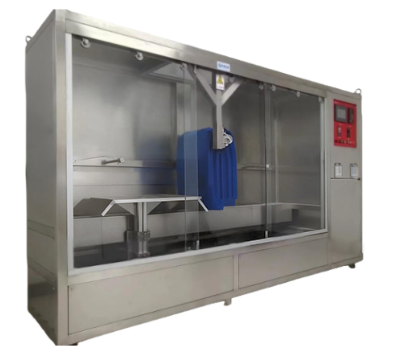


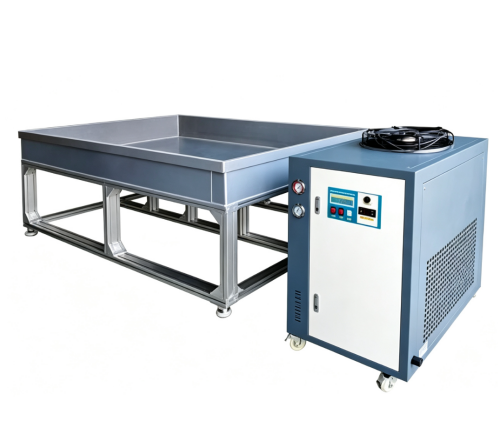
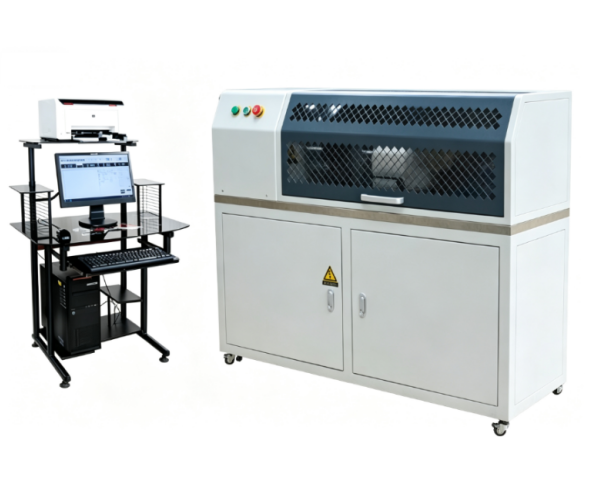
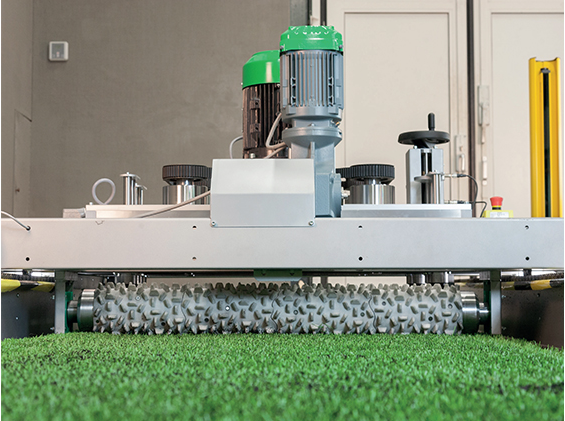
The Laboratory Car Wash Simulator is a specialized testing system designed to replicate automatic car wash conditions under controlled laboratory environments. You can use it to evaluate coatings, paint protection films, and plastic components by applying repeated mechanical stress through rotating brushes, controlled sample movement, and spraying of synthetic soiling agents. This allows you to assess abrasion resistance, scratch resistance, and appearance changes in materials during simulated car wash processes.
Application
The Laboratory Car Wash Simulator is suitable for a wide range of automotive material and component testing:
Automotive Coatings: Evaluate wash durability of organic coatings on vehicle bodies and parts.
Clear and Colored Paints: Assess scratch resistance of single-layer and multilayer coating systems.
Paint Protection Films (PPF): Test wash durability and appearance retention.
Plastic Exterior Components: Evaluate surface wear resistance of bumpers, trims, and covers.
Functional Coatings: Assess coatings applied on metal or plastic substrates.
R&D and Quality Control: Simulate car wash tunnel conditions to validate and verify surface materials.
Typical test products include automotive panels, bumpers, trims, protective films, and functional coated parts.
Standards
The simulator supports compliance with the following international standards:
ISO 20566:2021 – Paints and varnishes – Laboratory-scale car wash machine testing.
ISO 13076 – Visual assessment of coating surface appearance.
ISO 2813 – Measurement of gloss of coatings.
ISO 13803 – Measurement of haze of coatings.
ISO 7724 – Color measurement and color difference evaluation of coatings.
Parameters
| Parameter | Details |
|---|---|
| Dimensions | W3100 × D950 × H1800 mm |
| Weight | ~450 kg |
| Main Body Material | SUS 304 stainless steel |
| Test Environment Temperature | 23 ± 3 ℃ |
| Test Environment Humidity | 50 ± 5 %RH |
| Test Medium | Clean water + silicon dioxide |
| Medium Temperature | 15 – 30 ℃ |
| Brush Direction | Clockwise / Counterclockwise |
| Brush Speed | 70 – 127 ± 5 rpm |
| Brush Cycles | 1 – 999 cycles |
| Wash Liquid Capacity | 80 L |
| Sample Thickness | 1.5 – 3.5 mm |
| Sample Size | 155 × 305 mm (up to 4 pieces) or 310 × 610 mm (1 piece) |
| Platform Speed | 5.0 ± 0.2 m/min |
| Spray Flow Rate | 2.2 ± 0.2 L/min |
| Spray Pressure | 300 ± 50 kPa |
| Power Supply | AC 220 V, 2.2 kW, 50 Hz |
Features
Realistic Car Wash Simulation: Rotating brushes, reciprocating sample movement, and synthetic soiling spray replicate actual automatic car wash conditions.
Standard-Compliant Design: Brush spacing, rotation speed, pressure, and platform motion are adjustable according to ISO 20566:2021.
Replaceable Brush Structure: Brushes are removable for easy maintenance and replacement, ensuring consistent testing.
High Stability Platform Drive: Servo motor-driven platform with dual limit protection ensures smooth and reliable operation.
Uniform Cleaning Medium Circulation: Built-in agitation system ensures consistent medium composition for repeatable results.
Accessories
Silicon dioxide powder – 500 g
Poly-fiber wash brushes – 2 rolls
Calibration plates – 10 pieces
Spray nozzles, 316 stainless steel – 2 pcs
Hex keys – 1 set
Wrenches – 1 pcs
User manual (Chinese) – 1 copy
Certificate of conformity – 1 copy
Warranty card – 1 copy
Maintenance Information
Clean brushes and water tank after each test to prevent medium residue.
Inspect and replace worn brushes to maintain test repeatability.
Ensure platform drive system and servo motor are lubricated and free of debris.
Check spray nozzles for clogs and uniform flow.
Verify sensors and control unit calibration periodically.
FAQ
1. What is this product?
The Laboratory Car Wash Simulator is a laboratory device designed to replicate automatic car wash tunnel conditions for material testing.
2. What is it used for?
You can use it to evaluate the wash durability, scratch resistance, and appearance changes of coatings, protective films, and plastic components.
3. How does it work?
Rotating brushes apply mechanical stress to the sample surface while synthetic soiling is sprayed. Samples move reciprocally across the brush zone to simulate real car wash conditions.
4. Why is it important?
It ensures that automotive coatings, films, and plastic components meet durability and quality requirements before mass production.
5. Which industries is it suitable for?
Automotive OEMs, coatings suppliers, paint protection film manufacturers, and materials R&D and quality control laboratories.
Leave Message Get Price