Expansion Tank Static Pressure Test Machine
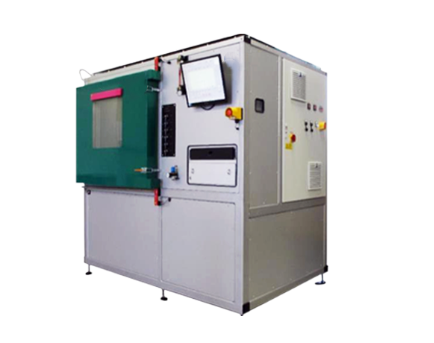


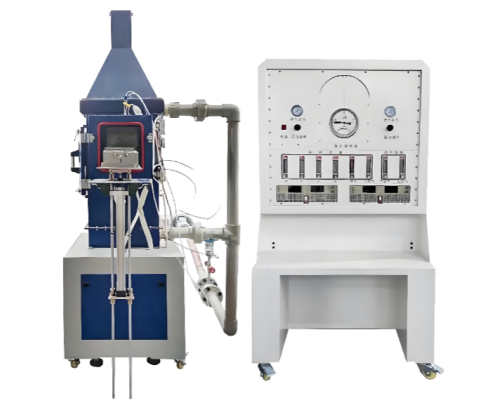
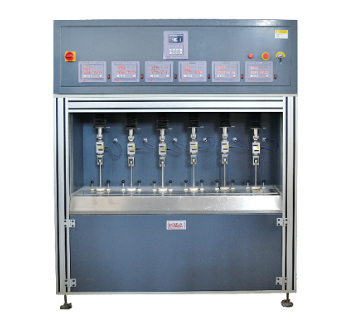
The Expansion Tank Static Pressure Test Machine is a specialized system designed to evaluate the static pressure performance and leak resistance of automotive expansion tanks. You can adjust the static pressure from 0 up to a maximum of 5 bar, while controlling the flow rate of each sample from 0 to 8 liters per hour. The system includes indirect chamber heating for safety (Explosion Protection Level 1), automatic leak detection, and fail-safe shutdown of defective samples, providing a reliable and efficient solution for expansion tank testing.
Application
The Expansion Tank Static Pressure Test Machine is suitable for a variety of automotive component testing applications:
Expansion Tanks: Evaluate static pressure resistance, leakage, and functional performance.
Coolant System Components: Test caps, valves, and connectors under controlled static pressure.
Material Durability Testing: Assess long-term reliability of plastic, metal, and composite tank materials.
Quality Control: Ensure compliance with OEM and supplier specifications for automotive cooling systems.
R&D and Certification Testing: Support component development, validation, and system integration.
Typical test products include automotive expansion tanks, coolant reservoir tanks, and associated components requiring static pressure evaluation.
Standards
The system supports compliance with major automotive engineering standards:
VW TL889 (4.1) – Volkswagen Group technical specification for interior and related component functional performance.
ESDG93-8A080-AA (3.6) – Ford engineering specification for component functionality and reliability.
GMW15310 (3.2.1.2) – General Motors global standard for material and component performance testing.
QV17004D (3.2.6) – BMW group specification for system component functionality and durability.
Parameters
| Parameter Category | Details |
|---|---|
| Test Bench Dimensions | 2200 × 2240 × 1550 mm (W × H × D) |
| Chamber Dimensions | 1000 × 800 × 1000 mm (W × H × D) |
| Rated Power | 9.5 kW |
| Test Medium | Glycol/Water |
| Pressure Range | 0 … 5 bar |
| Flow Rate per Sample | 0 … 8 l/h |
| Pressure Type | Static |
| Test Medium Temperature Range | 25 … +150°C |
| Environmental Temperature Range | 25 … +150°C |
| Test Channels | 6 |
Features
Designed specifically for static pressure testing of expansion tanks.
Static pressure adjustable from 0 up to 5 bar.
Individual sample flow rate controllable from 0 to 8 l/h.
Explosion protection level 1 due to indirect chamber heating.
Automatic leak detection and leak testing with fail-safe shutdown of defective samples.
Automatic control of liquid level during testing.
Accessories
Indirectly heated test chamber
Flow control units for each sample
Leak detection sensors and safety interlocks
Liquid level monitoring and control system
Control unit with Windows/LabVIEW interface (optional for data logging)
Sample mounting brackets for expansion tanks
Maintenance Information
Inspect sample mounting brackets, pressure sensors, and leak detection units before each test.
Verify flow control devices and chamber seals for proper operation.
Periodically calibrate pressure sensors and temperature controllers.
Clean the chamber and fluid circuits to prevent contamination.
Replace worn or defective components to maintain safe and accurate operation.
FAQ
1. What is this product?
The Expansion Tank Static Pressure Test Machine is a laboratory system designed to evaluate static pressure performance and leak resistance of automotive expansion tanks.
2. What is it used for?
It tests expansion tanks and associated coolant system components for pressure tolerance, leak detection, and functional reliability under controlled static conditions.
3. How does it work?
The system applies a static pressure to each sample, controls flow rate, maintains chamber temperature, and monitors for leaks. Defective samples are automatically shut down.
4. Why is it important?
It ensures expansion tanks and coolant system components meet OEM performance and safety standards, preventing failures in vehicle operation.
5. Which industries is it suitable for?
It is suitable for automotive manufacturers, cooling system suppliers, R&D laboratories, and quality control facilities for engine cooling components.
Leave Message Get Price