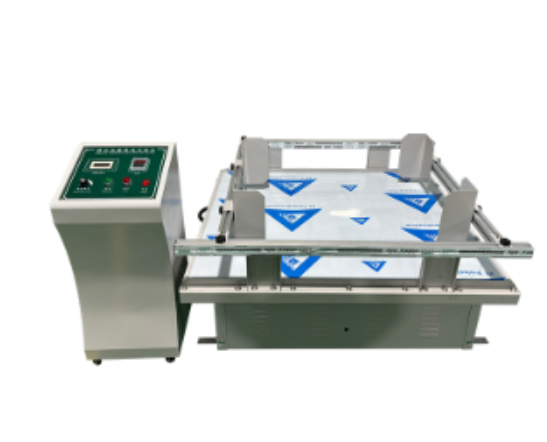
Sweating Guarded Hotplate
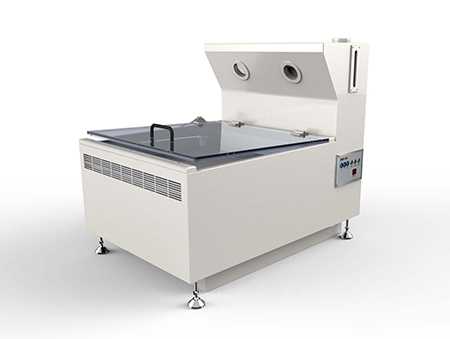


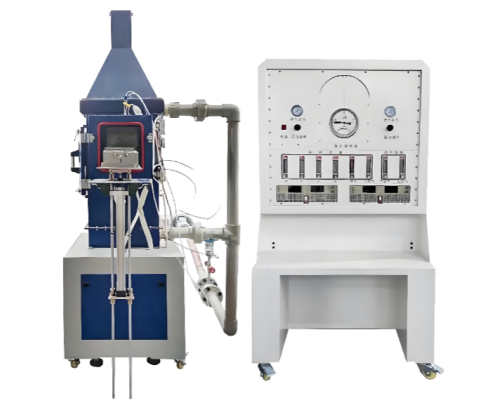
Sweating Guarded Hotplate is also called Thermal resistance wet resistance tester, The Sweating Guarded Hotplate is a professional instrument designed to measure the thermal resistance and water vapor resistance of textile and clothing materials under steady-state conditions. By simulating the heat and moisture transfer process of human skin, the tester evaluates the thermal insulation and moisture management performance of fabrics, films, coatings, foams, leather, and multilayer textile assemblies.
The system uses a temperature-controlled heated plate combined with a water supply and airflow control system to simulate dry heat loss and sweating evaporation. It provides reliable test data for clothing development, functional textile evaluation, and thermal comfort research.
In the standard testing environment, heat the fixed aluminum or copper to a specified temperature and maintain the specified temperature, then measure the power used for heating. Similarly, measure the power used for heating the copper or aluminum plate after placing the cloth specimen on it. According to the power difference of two measurements and area size of the tested plate, the thermal resistance and water vapor resistance of test samples can be indicated.
Application
The Thermal resistance wet resistance tester simulates the heat and mass transfer process which occur on human skin.It is suitable for measurement of thermal resistance and water vapor resistance under steady state conditions of a range of products of fabrics, films, coatings, foams, and leathers, including multi-layer assemblies, for use in clothing systems.
Standards
GB/T 11048, ISO 11092, ASTM F1868, ASTM D1518, JIS L1096
Technical Specifications
Thermal Resistance(RCT) range: 0.002~2.000m2·K/W;
Indication error ≤ ±2%;
Repeatability error ≤ ±2%;
Resolution: 0.001m2·K/W;
Evaporative Resistance(RET) range: 0-1000m2·Pa/W;
Indication error ≤ ±2%;
Repeatability error ≤ ±2%;
Resolution: 0.001m2·Pa/W;
Test plate temperature range: 20℃-50℃, adjustable;
Temperature control accuracy: ±0.03℃;
Temperature measurement: ±0.01℃;
Air velocity: 0~1.2m/s, continuously adjustable;
Air velocity accuracy: ±1%;
The sample platform lift range: 0~70mm, automatic lift;
Sample thickness: 0~70mm;
Test plate area: 250mm×250mm;
Guard ring size: 512mm×512mm, Guard ring width: 127mm;
Dimensions: 770×560×750mm (L×W×H) (not including Climate Chamber);
Weight: 30Kg (not including Climate Chamber);
Host power: AC220V±10%, 100W or AC110V±10%, 100W.
Features
1.The unique design concept, integrated design of control systems and automatic water supply system, with the standard Climate Chamber optional.
2. Automatic water supply, automatic drain system, efficient water charging system (In the evaporative resistance test mode, water uniformly wets test plate faster).
3. High-precision automatic mobile system for the test platform, enter the thickness of the test sample, the test platform to move to the corresponding position.
4. According to the thickness of the sample, the machine could automatically adjust the PID control parameters, then quickly reach to the required test conditions.
5. The patented Air velocity parallel stabilization system, makes the Air velocity homogeneous and stable, more stable of the test results.
6. Air velocity continuously adjustable from 0~2m/s to meet any Thermal and Evaporative resistance testing standards.
7. Guard ring width of 127mm, to ensure that whole heat is just passed through the test sample than other way.
8. LED soft lighting system.
9. Standard USB communication, optional wireless wifi communication, to make more convenient connection.
10. Machine stainless steel shell to ensure the life of the machine more than 20 years.
11. Friendly and convenient testing software, test software to configure variety of test standard and user-friendly.
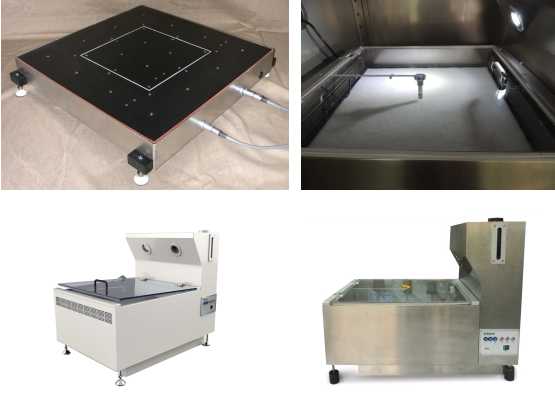
Product Display
FAQ
(1) What materials can be tested with a sweating guarded hotplate?
The instrument is suitable for fabrics, clothing assemblies, films, coatings, foams, leather, and other materials where heat and moisture transfer performance needs to be evaluated. It is commonly used for functional textile and protective clothing research.
(2) What is the difference between thermal resistance and evaporative resistance testing?
Thermal resistance measures the ability of a material to prevent heat transfer, while evaporative resistance evaluates resistance to water vapor movement. Together, these values help determine the comfort performance of clothing materials.
(3) Why is airflow control important during testing?
Stable airflow conditions directly influence heat and moisture exchange between the specimen and environment. Accurate airflow regulation helps ensure repeatable results according to ISO 11092 and related test methods.
(4) Can this tester evaluate multilayer clothing systems?
Yes. The system can test multilayer textile assemblies by measuring their overall thermal and moisture transfer properties, which is useful for evaluating finished garment structures rather than only individual fabrics.
(5) How should laboratories choose a suitable configuration?
Selection depends on whether the main requirement is thermal resistance, evaporative resistance, or both, as well as whether environmental simulation is required. Contact QINSUN engineers for suitable configuration recommendations.
Leave Message Get Price