

Fogging Tester | Automotive Interior Volatile Fogging Test System

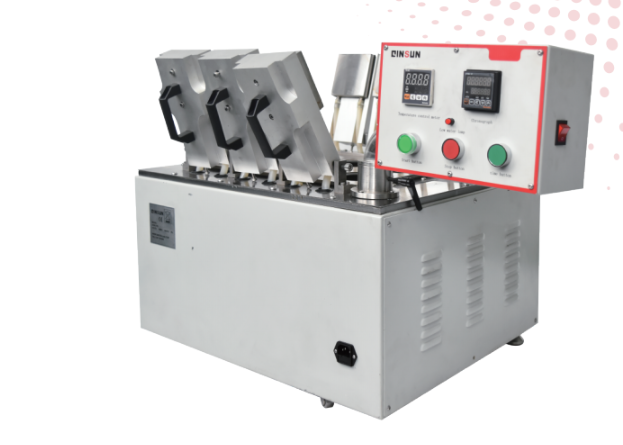
The Fogging Tester is designed to evaluate the evaporation and condensation behavior of volatile components released from non-metallic materials under high temperatures. It is widely used for testing automotive interior parts, aircraft cabin materials, PU foam, synthetic leather, adhesives, non-wovens, and thermoplastic elastomers. The instrument simulates cabin conditions to determine whether volatile substances condense on glass surfaces, ensuring product safety, optical clarity, and compliance with international fogging standards.
Applications
This equipment is suitable for testing automotive trim materials, coated fabrics, polymers, textiles, elastomers, and composite materials. It supports material performance evaluation during product development, quality control, supplier assessment, and third-party laboratory verification.
Standards
DIN 75201: Determination of fogging characteristics of trim materials in motor vehicles
ISO 6452: Determination of fogging characteristics of coated fabrics used in automobile interiors
SAE J1756: Standard test method for fogging characteristics of interior automotive materials
BS EN 14288: Fogging assessment for leather and textile materials
QB/T 2728: Leather fogging performance determination
PV 3920 / PV 3015: Volkswagen fogging value test for non-metallic materials
ES-X83231: Ford fogging resistance specification
NES M 0161: Nissan fogging test requirement
GM 9305P: General Motors fogging resistance performance standard
Product Advantages
Triple testing capability allows gloss, haze, and gravimetric analysis to be conducted in one system. Temperature control is highly stable with ±0.1°C precision, ensuring reliable repeatability. The six-station layout enables simultaneous testing, improving laboratory efficiency. The chamber structure is made of corrosion-resistant 316 stainless steel with epoxy coating suitable for harsh chemical environments. Safety features include magnetic door protection, over-temperature control, thermostat protection, and audible alarms. USB data interface supports easy data export and laboratory information system integration.
Product Features
The equipment includes a dual-bath system with independent control for high-temperature and low-temperature conditions. The microprocessor-based digital thermoregulator ensures accurate temperature programming and stable test cycles. The built-in programmable timer allows settings from 1 to 9999 minutes. Modular accessories include stainless steel test cups, mounting rings, cooling plates, and haze or gloss measurement kits. The machine is CE-compliant with enhanced structural protection and emergency safety mechanisms.
Technical Parameters
| Parameter | Specification |
|---|---|
| High-Temperature Range | Room temperature to 150°C (280°C optional) |
| Low-Temperature Range | 0–100°C |
| Temperature Stability | ±0.1°C (at 200°C) |
| Heating Time | Less than 45 minutes to reach 150°C |
| Cooling Capacity | 500 W |
| Power Supply | AC 220V, 50 Hz, 3.5 kW |
| Dimensions | 500 mm (W) × 650 mm (D) × 600 mm (H) |
| Net Weight | 50 kg (excluding thermal medium) |
| Data Interface | USB 2.0, supports remote sensor |
| Safety Systems | Magnetic switch, thermostat, audible alerts |
FAQ
What is a Fogging Tester?
A Fogging Tester measures fogging behavior caused by volatile components evaporating from materials and condensing on cooler glass surfaces under controlled heating conditions.
Why is fogging testing important?
Fogging can impair visibility on vehicle windshields, cause unpleasant odors, and affect safety. Automotive OEMs require strict fogging limits for all interior materials.
What test methods can this model perform?
It supports gloss evaluation, haze evaluation, and gravimetric mass measurement, ensuring full compliance with DIN 75201, ISO 6452, and major OEM standards.
How many samples can be tested at once?
Up to six samples can be tested simultaneously, making it ideal for quality control labs and batch evaluation.
What materials can be evaluated?
Plastics, PU foam, rubber, adhesives, synthetic leather, textiles, non-woven fabrics, coatings, and other cabin-related materials.
Is it suitable for automotive supplier certification?
Yes. It meets Volkswagen, General Motors, Ford, Nissan, and other international OEM standards, suitable for Tier-1, Tier-2 supplier audits and laboratory verification.
2025-12-08 17:38
- Related News
How to Choose a Suitable Drying Rate Tester?
What Is a Fabric ICI Pilling and Snagging Box?
How to Choose an ICI Mace Snag Tester?
What a Fiber Oil Extractor Actually Does?
Snap Button Pull Tester: Garment Accessory Tensile Strength Testing Guide
Guide to Block-on-Ring Friction Wear Equipment
How to Choose Universal Multifunction Tribology Test Machine
How to Choose an Air-Cooled Xenon Lamp Aging Chamber
What Does an Ozone Aging Chamber Test? Standards and Operating Methods
Fabric Cool Feeling Tester: Working Principle, Standards and Selection Guide