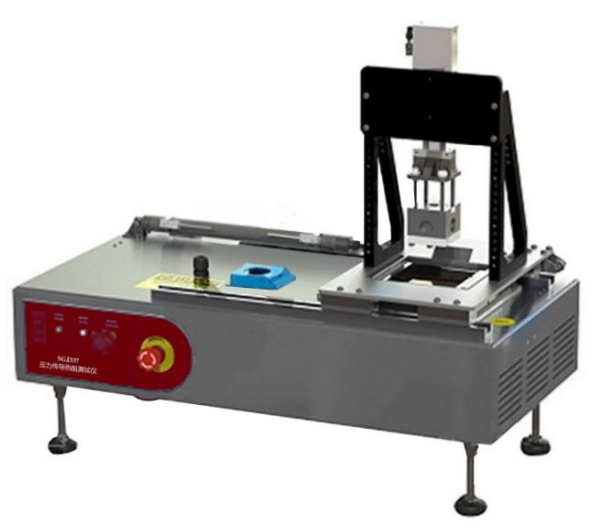
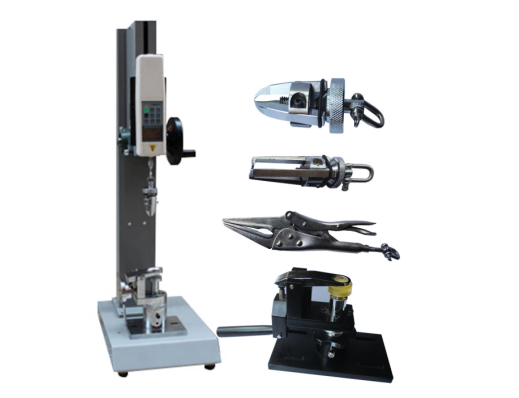
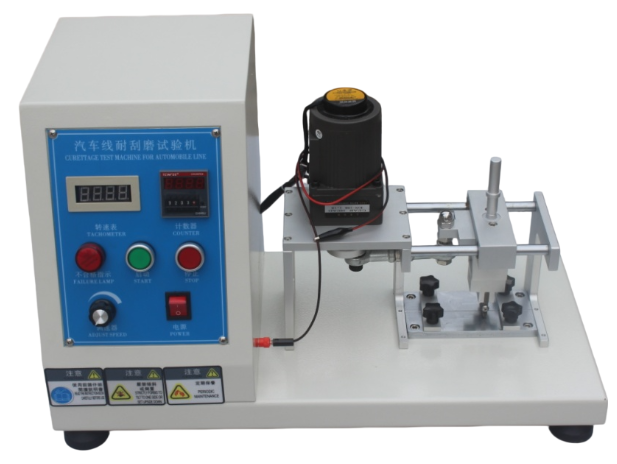
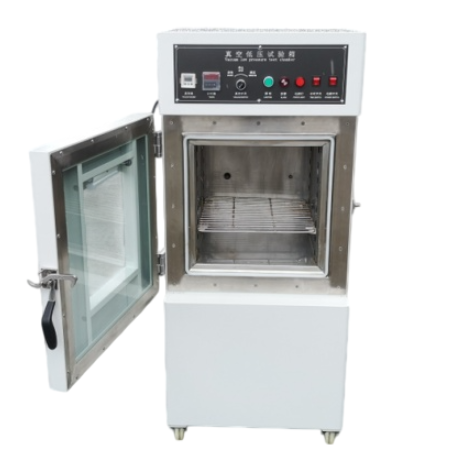
Luer Conical Joint Multi-Function Tester
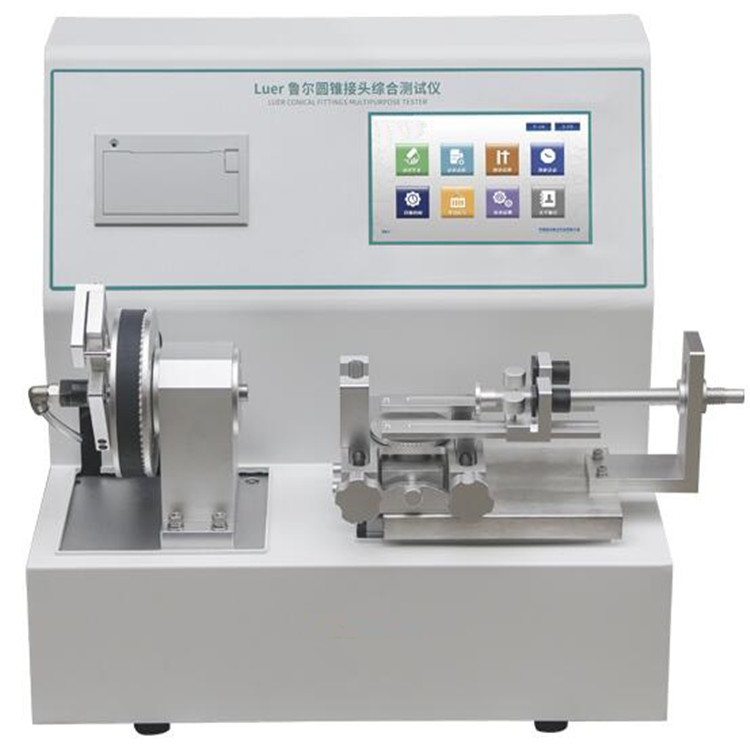


The Luer Conical Joint Multi-Function Tester is a precision instrument designed to evaluate multiple performance characteristics of Luer-type connections used in medical devices. It tests leakage, gas tightness, separation force, unscrewing torque, assembly ease, slip resistance, and stress cracking of syringes, needles, infusion sets, catheters, and anesthesia filters. The device ensures reliable performance, safety, and compliance of medical Luer connections for both locked and non-locked designs.
Application
This tester is suitable for a broad range of medical Luer connection testing scenarios, including:
(1) Syringes (1 mL – 60 mL) – verifying leakage, torque, and assembly performance.
(2) Injection needles – testing connection integrity and unscrewing torque.
(3) Infusion sets and blood transfusion sets – assessing slip resistance and stress cracking under load.
(4) Catheters – evaluating connection reliability and sealing performance.
(5) Anesthesia filters – ensuring secure connections and prevention of leaks.
(6) Research and development of new Luer-type connectors – optimizing design for clinical use.
(7) Production line quality control – guaranteeing consistent performance across batches.
Standards
The tester complies with the following domestic and international standards for medical Luer connections:
(1) GB/T 1962.1-2015: Syringes – Luer lock and Luer slip connections (China)
(2) GB/T 1962.2-2001: Medical syringes – Performance testing (China)
(3) ISO 80369: Small-bore connectors for liquids and gases in healthcare applications (International)
(4) ASTM F2394: Standard test method for Luer connectors (International)
Features
(1) Multi-function testing of leakage, gas tightness, separation force, torque, assembly ease, slip resistance, and stress cracking.
(2) Supports both locked and non-locked Luer connections.
(3) Adjustable parameters for axial force, separation force, internal water pressure, torque, and hold time.
(4) High-precision measurement with minimal error (≤1%).
(5) Compact and portable design for laboratory or production use.
(6) User-friendly interface with easy adjustment of test parameters.
Parameters
| Parameter | Specification |
|---|---|
| Nominal capacity | 1 mL – 60 mL (optional) |
| Axial force | 0 – 100 N, error ≤ 0.5% |
| Separation force | 20 – 40 N, error ≤ 1% |
| Internal water pressure | 200 – 400 kPa, error ≤ 0.5% |
| Torque | 0.01 – 0.5 N·m, error ≤ 0.5% |
| Hold time | 1 – 60 s, error ≤ 1 s |
| Dimensions (L × W × H) | 450 × 350 × 400 mm |
| Net weight | 28 kg |
| Standards | GB/T 1962.1-2015, GB/T 1962.2-2001, ISO 80369, ASTM F2394 |
Accessories
(1) Main unit – 1 set
(2) Fixture adapters for different Luer sizes – 1 set
(3) Pressure calibration kit – 1 set
(4) Operation manual – 1 set
(5) Power cable – 1 set
Test Procedures
(1) Select the appropriate Luer adapter for the device under test.
(2) Mount the syringe, needle, or catheter securely in the fixture.
(3) Set the required test parameters: axial force, separation force, internal pressure, torque, and hold time.
(4) Start the test cycle. The instrument measures all performance indicators in real time.
(5) Record and print the results, including any failures or deviations.
Maintenance Information
(1) Keep the tester clean and free from dust or fluid contamination.
(2) Inspect adapters and fixtures regularly for wear or damage.
(3) Calibrate pressure and torque sensors periodically to maintain accuracy.
(4) Store in a stable, dry environment.
(5) Follow electrical safety regulations during operation.
FAQ
1. What is the core advantage of this product?
The core advantage of the Luer Conical Joint Multi-Function Tester is its ability to perform multiple critical performance tests on Luer connections using a single instrument. It integrates leakage, gas tightness, separation force, torque, assembly ease, slip resistance, and stress cracking tests, enabling comprehensive evaluation of both locked and non-locked Luer designs.
2. Are the test results reliable?
Yes. The tester provides high-precision measurement with controlled axial force, internal pressure, torque, and hold time, all within clearly defined error limits. Adjustable parameters and standardized fixtures ensure stable, repeatable test conditions for consistent and trustworthy results.
3. Which international or industry standards does it comply with?
The instrument complies with GB/T 1962.1-2015 and GB/T 1962.2-2001 for medical Luer connections, as well as international standards including ISO 80369 for small-bore medical connectors and ASTM F2394 for Luer connector testing.
4. Why is this product important?
Luer connections are widely used in syringes, infusion systems, and catheters, where leakage or connection failure can lead to serious clinical risks. This tester plays a key role in verifying connection safety, sealing integrity, and mechanical reliability, supporting patient safety and regulatory compliance.
5. Which fields is this product suitable for?
The tester is suitable for medical device manufacturing, research and development of Luer connectors, production line quality control, certification and regulatory testing laboratories, and testing of syringes, needles, infusion sets, catheters, and anesthesia filters.
Leave Message Get Price