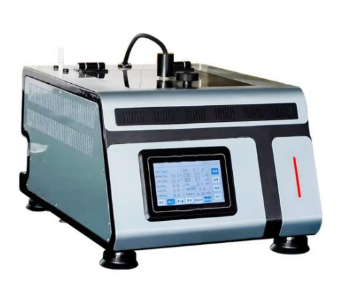
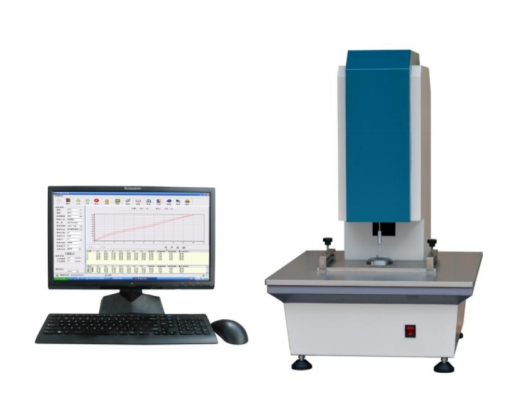
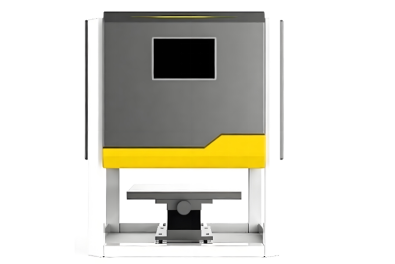
High and Low Temperature Memory Impact Testing Machine



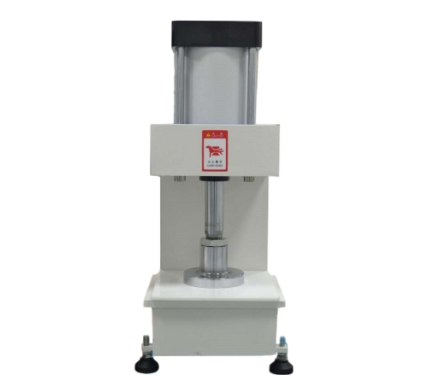
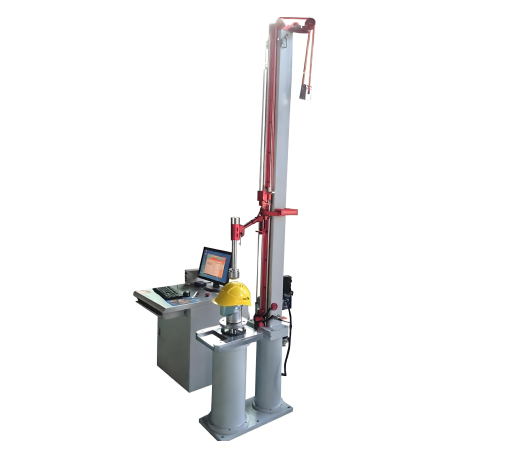
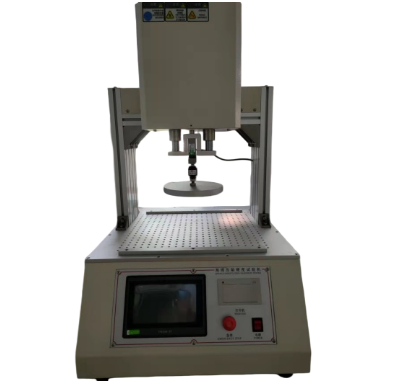
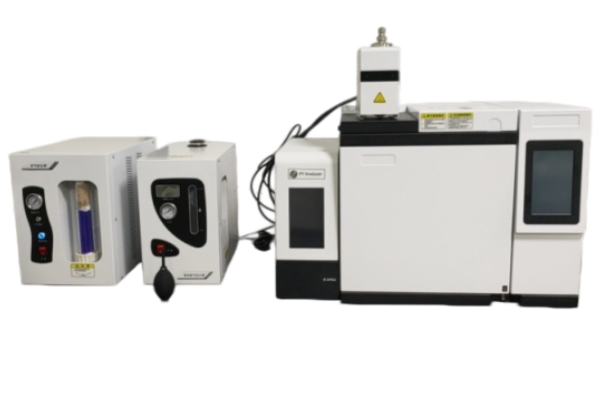
The High and Low Temperature Memory Impact Testing Machine is a computer-controlled pendulum impact testing system designed for determining the impact toughness of non-metallic materials under controlled temperature conditions. The instrument supports both simply supported beam (Charpy) and cantilever beam (Izod) impact test methods. High-speed data acquisition and digital signal processing ensure accurate capture of impact energy and load signals, providing reliable and repeatable test results for material evaluation.
Application
(1) Impact toughness determination of rigid plastics.
(2) Impact testing of reinforced nylon materials.
(3) Impact resistance evaluation of glass fiber reinforced plastics (FRP).
(4) Impact performance testing of ceramic materials.
(5) Impact strength testing of cast stone materials.
(6) Impact testing of electrical insulating materials.
(7) Material research, quality control, and conformity assessment in laboratories, universities, and inspection institutes.
Standards
(1) JB/T 8762-1998 — Plastic Simply Supported Beam Impact Testing Machine
(2) JJG 145-2007 — Verification Regulation of Pendulum Impact Testing Machine
(3) GB 3808 — Inspection of Pendulum Impact Testing Machines
(4) GB/T 1043.1-2008 — Plastics — Determination of Impact Strength of Simply Supported Beams
(5) ISO 179-1:2010 — Plastics — Determination of Charpy Impact Properties
(6) ISO 180:2000 — Plastics — Determination of Izod Impact Strength
(7) ASTM D256 — Standard Test Methods for Determining the Izod Pendulum Impact Resistance of Plastics
(8) ASTM D6110 — Standard Test Method for Determining the Charpy Impact Resistance of Notched Specimens of Plastics
Features
(1) Computer-controlled operation with digital data acquisition.
(2) Memory-type impact energy calculation with automatic result storage.
(3) Support for both simply supported beam and cantilever beam impact tests.
(4) High-speed sampling ensures accurate capture of impact signals.
(5) Digital display of impact energy and test parameters.
(6) Simple mechanical structure with stable and reliable operation.
(7) Suitable for integration with high and low temperature conditioning systems.
Parameters
| Item | Specification |
|---|---|
| Impact energy (Charpy) | 2 J / 4 J |
| Impact energy (Izod) | 2.75 J / 5.5 J |
| Sampling rate | 10 μs |
| Resolution | 16 bit |
| Load measurement accuracy | ≤ 1% |
| Impact knife angle | 30° |
| Pendulum pre-lift angle | 150° |
| Pendulum torque (Charpy) | 2.1436 N·m / 1.0718 N·m / 0.5359 N·m |
| Pendulum torque (Izod) | 2.9474 N·m / 1.4737 N·m |
Simply Supported Beam (Charpy)
| Item | Specification |
|---|---|
| Impact speed | 2.9 m/s |
| Pendulum shaft center to specimen center | 230 mm |
| Blade angle | 30° |
| Blade radius | 2 mm |
| Support corner radius | 1 mm |
| Support front angle | 5° |
| Support rear angle | 10° |
| Support span | 40 mm / 60 mm / 70 mm |
| Specimen size (L×W×T) | 80×10×4 mm; 50×6×4 mm; 120×15×10 mm |
Cantilever Beam (Izod)
| Item | Specification |
|---|---|
| Impact speed | 3.5 m/s |
| Pendulum axis center to specimen center | 335 mm |
| Blade angle | 75° |
| Blade radius | 0.8 mm |
| Blade front angle | 5° |
| Blade back angle | 10° |
| Specimen size (L×W×T) | 80×10×4 mm; 63.5×12.7×12.7 mm; 63.5×12.7×6.4 mm; 63.5×12.7×3.2 mm |
Accessories
(1) Charpy impact pendulum and supports.
(2) Izod impact pendulum and clamping fixtures.
(3) Interchangeable impact knives.
(4) Calibration and verification tools.
(5) Computer control and data acquisition software.
FAQ
(1) How to choose between Charpy and Izod test methods?
Charpy is typically used for materials tested in a simply supported condition, while Izod is suitable for cantilever setups. Selection depends on standard requirements such as ISO 179 or ASTM D256, as well as specimen geometry and application scenario.
(2) How does temperature affect impact test results?
Impact strength is highly temperature-dependent. Many plastics become brittle at low temperatures, showing reduced absorbed energy. Testing under controlled conditions ensures results reflect actual service environments, especially for outdoor or cold-region applications.
(3) What factors influence test accuracy and repeatability?
Key factors include specimen preparation, notch quality, pendulum calibration, and alignment. Standards such as ISO 179 specify tolerances for dimensions and notch geometry to ensure consistent and comparable results across laboratories.
(4) What should be considered when selecting impact energy levels?
The selected pendulum energy should match the expected fracture behavior. If energy is too high, resolution decreases; if too low, specimens may not break. Standards recommend selecting energy where absorbed energy falls within 10–80% of full scale.
(5) How to choose a suitable testing system for laboratory use?
Consider test standards, material types, temperature requirements, and data accuracy. For applications requiring environmental simulation and high repeatability, a system with digital acquisition and temperature compatibility is recommended. For detailed selection, contact QINSUN engineers.
Leave Message Get Price