

Masks Bacterial Filtration Efficiency (BFE) Tester | YY 0469 / ASTM F2100 / BS EN 14683

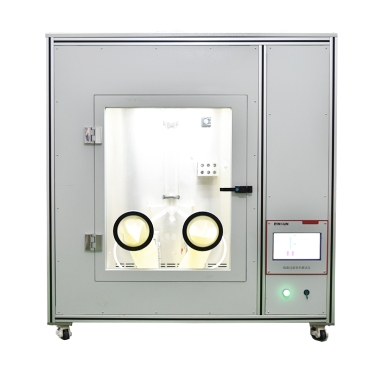
The Medical Masks Bacterial Filtration Efficiency Tester, also known as a BFE Test Machine, is designed to evaluate the bacterial filtration efficiency of medical face mask materials. By comparing the bacterial concentration upstream and downstream of the mask material, it accurately measures the mask’s ability to filter airborne bacteria. This instrument is essential for quality control, research, and compliance testing in the medical and protective mask industry.
Applications
The BFE Tester is suitable for:
Mask manufacturers and production quality control
Metrology verification departments
Scientific research institutes and laboratories
Regulatory and certification bodies testing medical mask performance
It is specifically used for evaluating the bacterial filtration efficiency (BFE) of surgical masks, medical face masks, and other protective mask materials.
Standards Compliant
YY 0469-2004 – Technical requirements for surgical masks
BS EN 14683-2014 – Medical face masks: Requirements and test methods
ASTM F2100-2019 – Standard specification for materials used in medical face masks
ASTM F2101 – Standard test method for evaluating bacterial filtration efficiency (BFE) of medical face mask materials using Staphylococcus aureus biological aerosol
Compliance with these standards ensures reliable quality assessment for regulatory approvals and production control.
Key Features
Professional Negative Pressure Biological Safety Cabinet – Ensures operator and environmental safety
High Negative Pressure Working Cabin – Equipped with two-stage high-efficiency filtration for 100% safe discharge
Two-Way Six-Level Andersen Sampler – Provides precise particle size sampling across six ranges
Adjustable Peristaltic Pump – Controls the flow rate of bacterial suspension for consistent aerosol generation
Special Microbial Aerosol Generator – Adjustable spray flow with uniform atomization
Industrial-Grade Large Touch Screen – 10-inch color screen, PLC + LabView control, USB data transfer
Built-In LED Lighting & UV Disinfection – Enhances operation visibility and safety
Sealed Glass Front Door – Convenient operation and sample observation
Software Integration – Can be controlled via computer and connected to Laboratory Information Management Systems (LIMS)
Technical Parameters
| Parameter | Specification |
|---|---|
| Sampling Flow Rate (Path A) | 28.3 L/min |
| Sampling Flow Rate (Path B) | 28.3 L/min |
| Nebulization Flow Rate | 8–10 L/min |
| Peristaltic Pump Flow Rate | 0.006–3 mL/min |
| Negative Pressure (Aerosol Chamber) | -90 to -120 Pa |
| Negative Pressure (Cabinet Body) | -50 to -200 Pa |
| Andersen Sampler Stages | I >7 μm, II 4.7–7 μm, III 3.3–4.7 μm, IV 2.1–3.3 μm, V 1.1–2.1 μm, VI 0.6–1.1 μm |
| Glass Aerosol Chamber Size | L600 × Ø85 × 3 mm |
| Outer Dimensions | 1180 × 650 × 1300 mm (L×W×H) |
| Power Supply | AC 220V, 50 Hz |
FAQ
1. What is a BFE Tester?
It is an instrument used to measure the bacterial filtration efficiency of medical masks by comparing upstream and downstream bacterial concentrations.
2. Why is BFE testing important?
BFE testing ensures that medical masks can effectively block bacteria, meeting international quality and safety standards for healthcare protection.
3. What types of masks can be tested?
Surgical masks, medical face masks, and other protective masks made from nonwoven or composite materials.
4. How does the test work?
A bacterial aerosol is generated and passed through the mask material. The downstream bacteria are collected using an Andersen six-stage sampler, and the filtration efficiency is calculated.
5. Which standards does the tester comply with?
YY 0469-2004, BS EN 14683-2014, ASTM F2100-2019, ASTM F2101.
2025-12-08 17:53
- Related News
How to Choose a Suitable Drying Rate Tester?
What Is a Fabric ICI Pilling and Snagging Box?
How to Choose an ICI Mace Snag Tester?
What a Fiber Oil Extractor Actually Does?
Snap Button Pull Tester: Garment Accessory Tensile Strength Testing Guide
Guide to Block-on-Ring Friction Wear Equipment
How to Choose Universal Multifunction Tribology Test Machine
How to Choose an Air-Cooled Xenon Lamp Aging Chamber
What Does an Ozone Aging Chamber Test? Standards and Operating Methods
Fabric Cool Feeling Tester: Working Principle, Standards and Selection Guide